
Functional Fragrance: When Scent Becomes a Remedy for the Mind
For centuries, perfume has been regarded as an invisible accessory—a symbol of luxury and personal style. However, as we move into 2026, the boundary between aesthetics and mental well-being has been blurred by the ascent of Functional Fragrance. These are not merely niche perfumes with unique olfactory profiles; they are formulas engineered through neuroscience to directly intervene in emotional states, serving as a tool for healing and recalibrating the human mind against the pressures of the modern era.
Olfactory Neuroscience and the Pathway to Emotion
Unlike sight or hearing, which must pass through various relay stations within the brain, the sense of smell is the only sense with a direct connection to the Limbic System—the epicenter of emotion, instinct, and long-term memory. When we inhale aromatic molecules, they travel straight to the olfactory bulb, bypassing the thalamus to activate the Amygdala and the hypothalamus. Functional Fragrance in 2026 leverages this mechanism by utilizing aromatic compounds capable of stimulating the brain to release neurotransmitters such as Dopamine (for euphoria), Serotonin (for happiness), or GABA (to induce relaxation and mitigate anxiety).
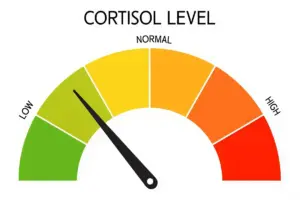
Image 1. Scent and the brain
Brain-Boost and the Optimization of Cognitive Performance
One of the most groundbreaking applications of functional fragrance is its ability to enhance focus and Cognitive Performance. Today’s niche perfumers collaborate closely with neuroscientists to develop olfactory structures that increase Beta brainwaves—the frequency associated with alertness and logical reasoning. Notes derived from Cineole (found in Rosemary), Limonene (from citrus peels), or intelligent synthetic compounds have been proven to reduce “brain fog” and improve short-term memory, transforming fragrance into a vital assistant within the modern workspace.
Cortisol Reduction Through Equilibrium-Inducing Notes
Chronic stress has become a defining ailment of the century, and functional fragrance in 2026 acts as a non-invasive “psychological analgesic.” By utilizing high concentrations of Sandalwood (rich in santalol) or Frankincense resin, these products possess the capacity to lower blood Cortisol levels (the stress hormone). Upon application, the body is ushered into a state similar to deep meditation or “Forest Bathing” (Shinrin-yoku). Brainwaves transition into the Alpha state, slowing the heart rate and providing absolute tranquility amidst the frantic pace of life.
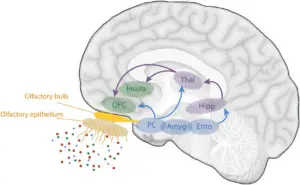
Image 2. Cortisol Level
Niche Craftsmanship Meets Neuro-Scent Technology
The distinction between 2026’s functional fragrances and traditional aromatherapy oils lies in the sophistication of their composition. Niche houses do not sacrifice artistic integrity for functionality. They employ technologies such as Headspace to capture the scents of rare natural environments, then refine them using Artificial Intelligence (AI) to ensure that the molecules reach the optimal purity and concentration required to trigger specific neural responses. The result is a masterpiece that possesses a luxurious, multi-layered structure while maintaining the precision to “nurse” the user’s soul.
(ảnh minh họa)
The Future of Scent: Personalization Driven by Biometric Data
The vision of Functional Fragrance points toward a future where scent is customized based on real-time biological data. Through wearable technology that monitors heart rate and stress fluctuations, users can select the appropriate fragrance to balance their current physiological state. A morning scent to trigger energy, an afternoon mist to sustain patience, and an evening aura to prepare for deep REM sleep. Scent has become an indispensable part of the Wellness Ecosystem, allowing individuals to master their emotions with the utmost subtlety.
From: Cosmetics Department
Comments (0)
Newest