
Waterless Beauty: The Frontier of Potency and Environmental Stewardship

In traditional cosmetic formulations, water (Aqua) typically accounts for 70% to 80% of a serum or cream’s composition. However, as we enter 2026, the rise of the Waterless Beauty movement has triggered a revolution in manufacturing philosophy. This is not merely a solution to the global challenge of conserving precious natural resources; it represents a pharmacological breakthrough, allowing for the optimization of active ingredient concentrations and delivering skin treatments in their purest, most potent form.
The Reality of Water in Cosmetics and the Imperative for Change
Water is the most common and inexpensive solvent, yet its presence in cosmetics necessitates significant trade-offs in terms of preservation. Water serves as an ideal breeding ground for bacteria and mold, forcing manufacturers to utilize substantial amounts of preservatives to maintain product shelf-life—substances that can occasionally trigger adverse reactions in sensitive skin profiles. Eliminating water or substituting it with botanical extracts not only reduces the chemical burden on the skin but also significantly diminishes the carbon footprint during logistics, as product weight and packaging dimensions are radically minimized.
Freeze-Drying Technology and the Ascent of Concentrated Actives
The core of 2026’s waterless beauty lies in Freeze-drying technology (Lyophilization). Rather than existing in a liquid state, volatile actives such as Vitamin C, Hyaluronic Acid, or Collagen are deep-frozen and dehydrated in a vacuum environment to be converted into a crystalline powder or tablet form. This mechanism preserves the molecular structure of the ingredients, preventing premature oxidation—a persistent challenge for unstable actives. Upon application, the user activates the product with a minimal amount of solution or the skin’s natural moisture, resulting in a treatment that is several times fresher and more concentrated than pre-mixed formulas.
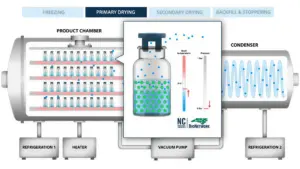
Image 1. Freeze-Drying technology
Replacing Aqua with Botanic Hydrosols and Plant Distillates
Another direction for Waterless Beauty involves the total replacement of distilled water with Botanic Hydrosols (floral waters) or pure plant distillates, such as Aloe Vera water, Rosewater, or Centella Asiatica extract. This approach makes the ingredient list far more valuable, as every drop of the product carries beneficial nutrients, vitamins, and natural minerals instead of being a mere inert solvent. This creates a synergistic ecosystem of actives, where the solvent itself serves as a therapeutic agent, markedly enhancing skin absorption and soothing efficacy.
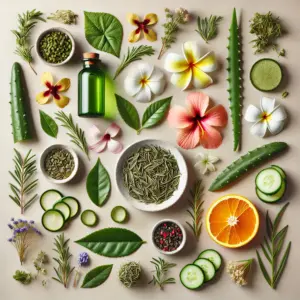
Image 2. Botanic Hydrosols and Plant Distillates
Environmental Responsibility and the Future of Sustainability
Waterless Beauty stands as a testament to the maturity of consumer consciousness in 2026. By removing water, brands can utilize more compact packaging, reducing plastic waste and saving millions of liters of clean water during the manufacturing process. Furthermore, powder or concentrated balm products typically exhibit higher stability, reducing the risk of degradation and spoilage, thereby extending the product lifecycle and minimizing waste. This is the perfect intersection of environmental ethics and performance, meeting the expectations of an intellectual consumer base that seeks genuine value in every product they trust.
Image 3. Environmental Responsibility
A Vision for a Minimalist and Refined Beauty Future
The waterless cosmetic revolution has not only changed the face of the vanity but has also refined user habits toward a smarter, more intentional approach. Concentrated products require users to understand their skin’s needs to adjust dosages accordingly, transforming each skincare routine into a personal “lab practice.” When efficacy and sustainability walk hand in hand, Waterless Beauty is no longer a transient trend but the new gold standard of the global beauty industry, affirming that: sometimes, “less” (water) truly brings “more” (value).
From: Cosmetics Department
Comments (0)
Newest