
IMV Shares In-Depth Insight into Logistics Operations for Greater Staff Awareness
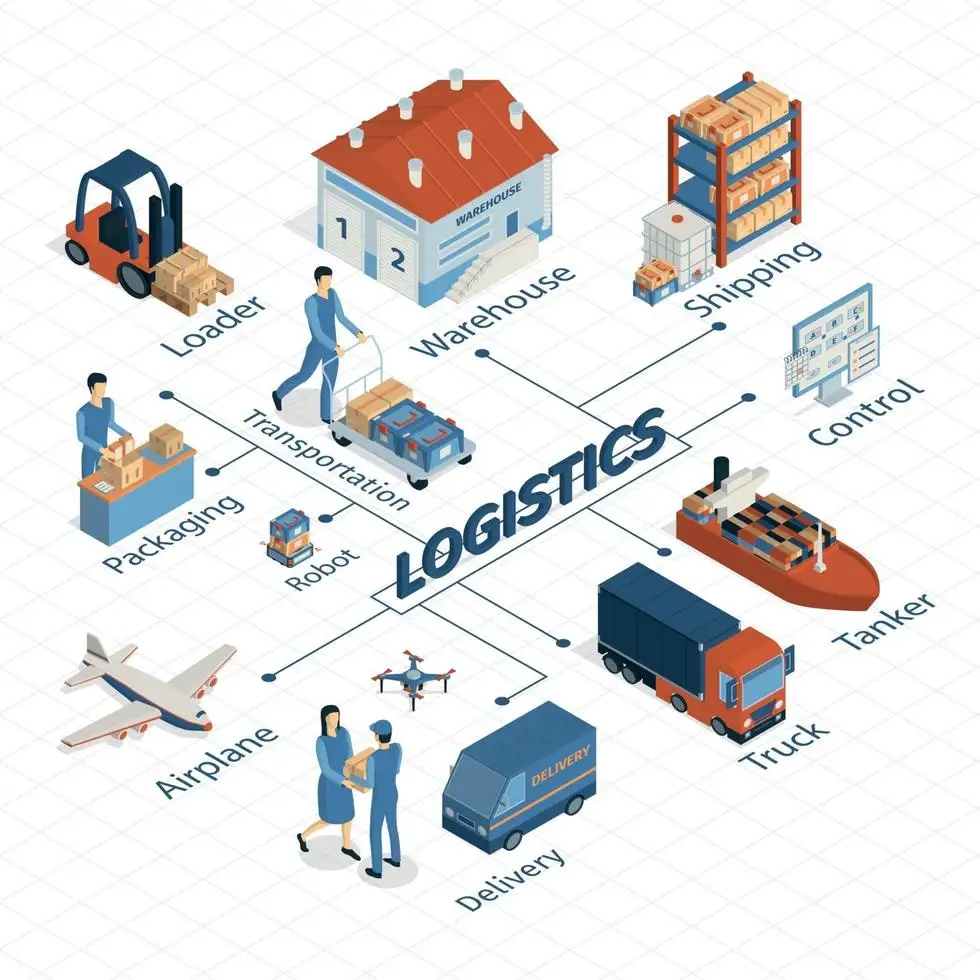
In an effort to enhance our understanding of IMV’s logistics workflow, Mr Kim and Ms Thu, National Delivery Assistant Manager, Supply Chain Department, have provided an outline and diagram of how to operate an organization’s logistical activities.
Ms Thu’s scheme describes an end-to-end logistics process, from origin to point of delivery and after sales service, highlighting a company’s commitment to timely and efficient product distribution. It also explains, in simple terms, how each stage of the supply chain contributes to customer satisfaction.
According to Ms Thu, the aim is to make the world of logistics more visible and accessible to all IMV employees, regardless of department. By doing so, she hopes to strengthen cross-departmental awareness and promote a unified understanding of how IMV operates behind the scenes.
“By bringing the world of logistics closer to all IMV employees, we aim to foster a sense of ownership and alignment across departments,” Ms Thu said, adding, “Understanding how our efforts impact customer satisfaction is vital to our shared success.”
This initiative reflects IMV’s broader strategy of internal engagement and education, ensuring that every employee plays a role in providing excellent service to customers.
FREIGHT FORWARDING AND LOGISTICS OPERATIONS
- Definition of Freight Forwarding and Logistics
Freight forwarding and logistics refer to the process of planning, executing, and controlling the flow and storage of goods, services, and related information from the point of origin to the point of consumption in an efficient and cost-effective manner. It is an essential component of the supply chain. - Key Activities in Freight Forwarding and Logistics
a. Goods Receipt- Inspect and receive orders and related documents.
- Coordinate with suppliers or shippers to confirm shipment details.
b. Packaging and Labeling - Ensure goods are packaged according to transportation standards.
- Apply labels, barcodes, usage instructions, or warnings as required.
c. Warehousing - Organize and store goods systematically in warehouses.
- Manage inventory, track storage duration, and maintain appropriate storage conditions.
d. Transportation - Select appropriate transportation modes: road, rail, sea, or air.
- Coordinate vehicles, drivers, and optimal routes.
e. Delivery - Deliver goods on time and to the correct destination.
- Collect delivery confirmations or related documents from recipients.
f. Document and Customs Management (if applicable) - Prepare invoices, warehouse receipts, bills of lading, and customs documents.
- Handle import/export procedures and customs declarations.
g. After-Sales Service - Manage returns or exchanges, if applicable.
- Monitor customer satisfaction levels.
- Common Types of Logistics
- Domestic Logistics: Transportation and delivery of goods within a country.
- International Logistics: Cross-border transportation of goods.
- Third-Party Logistics (3PL): Outsourcing logistics services to a specialized provider.
- Technology in Logistics
- Warehouse Management Systems (WMS)
- GPS tracking
- Order management software
- Objectives of Logistics Operations
- Optimize transportation and warehousing costs.
- Enhance service quality.
- Ensure goods are delivered on time, in the correct quantity, and in good condition.
- Support overall business operations.
Comments (0)
Newest