
Bespoke skincare: Strategic active ingredient pairing for Asian Skin
By 2026, the “one-size-fits-all” philosophy has been decisively discarded by the professional dermatological community. Asian skin, characterized by distinct biological traits – namely a thinner stratum corneum coupled with higher melanocyte reactivity – demands a Strategic Layering approach. This ensures maximum clinical efficacy without triggering the skin’s inflammatory response.
1. Biological profile of Asian Skin: The foundation of personalization. Before combining active ingredients, it is necessary to understand two key parameters of the skin specific to this region: the sensitivity of melanin, as studies published in the Journal of Dermatological Science show that Asian skin possesses higher eumelanin content and larger melanosome vesicles compared to Caucasian skin, making it more susceptible to post-inflammatory hyperpigmentation (PIH) when exposed to high concentrations of active ingredients; and the skin barrier in the stratum corneum is also thinner, leading to a more volatile transepidermal water loss (TEWL) index in response to tropical environmental factors.
Image 1. Skin of Asians
2. Personalized skincare in 2026 focuses on “Smart Layering” – creating a synergistic effect where ingredients complement rather than negate each other.
A. The Antioxidant shield: Vitamin C + Vitamin E + Ferulic Acid
This classic triad remains a gold standard but has been optimized for the 2026 tropical urban environment.
- The Mechanism: Pure Vitamin C (L-Ascorbic Acid) is notoriously unstable. The presence of Vitamin E and Ferulic Acid stabilizes the antioxidant network, increasing photoprotective capacity by eightfold, as evidenced by research from Duke University Medical Center.
- Bespoke Modification: For sensitive profiles, L-AA is often replaced with stabilized derivatives like Sodium Ascorbyl Phosphate (SAP) to avoid the irritation associated with low-pH formulas.
B. The Resurfacing & Pigment control duo: Retinoids + Niacinamide + Tranexamic Acid
This combination is engineered to address pore texture and recalcitrant melasma – the two primary concerns for Asian consumers.
- Niacinamide (B3): Acts as a physiological buffer, stimulating endogenous ceramide synthesis to enhance skin tolerance to Retinoid-induced irritation.
- Tranexamic Acid (TXA): Inhibits the plasminogen/plasmin pathway, indirectly downregulating tyrosinase activity.
- The Protocol: Applying a 5% Niacinamide serum as a “pre-treatment” layer before a low-dose Retinoid (0.1% – 0.3%) ensures structural integrity while achieving cellular turnover.
C. Deep-level hydration: Polyglutamic Acid (PGA) + Hyaluronic Acid (HA)
- The Advancement: While HA can hold 1,000 times its weight in water, PGA (a polymer of amino acids from fermented soybeans) can hold up to 5,000 times.
- The Mechanism: PGA creates a breathable film that inhibits the activity of hyaluronidase (the enzyme that breaks down endogenous HA), maintaining dermal turgor for 24 hours in dehydrated, air-conditioned environments.
3. The pacing rule: Chrono-skincare in personalization
Market data from 2025 indicated that 70% of adverse skin reactions were not caused by faulty products, but by “ingredient flooding” – the simultaneous use of too many high-potency actives.
The personalized “Skin Cycling” protocol:
- Night 1 – Exfoliation: After cleansing, apply a leave-on exfoliant to remove dead skin cells and prep the skin for the next steps in the cycle.
- Night 2 – Retinoid: Start with cleansing, then apply a retinoid to support skin renewal, and finish with a moisturizer to maintain hydration and minimize potential irritation.
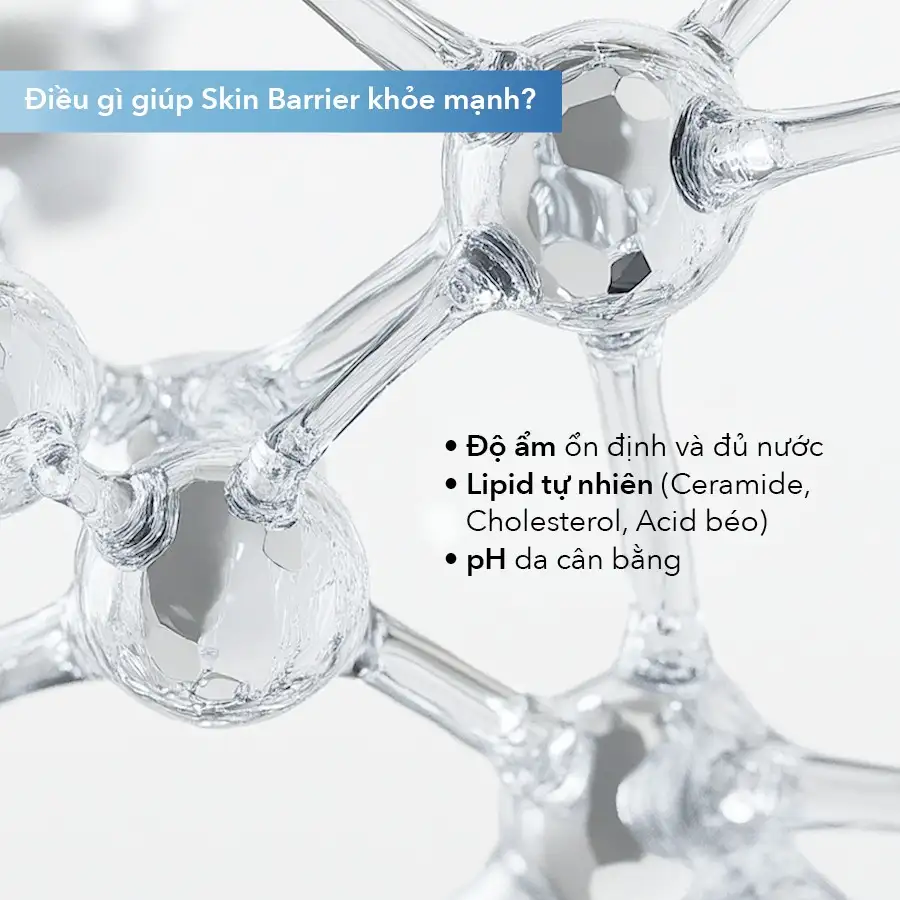
Image 2. Moisturizing Active Ingredient
- Night 3 – Recovery: Cleanse the skin, apply a hyaluronic acid serum to replenish
- moisture, follow with a moisturizer, and seal everything in with slugging for intensive barrier repair.
- Night 4 – Recovery: Repeat the recovery routine by cleansing, using a hyaluronic acid serum, moisturizing, and slugging to strengthen the skin barrier and restore balance.
This cadence allows for re-epithelialization – giving keratinocytes sufficient time to restructure before the next phase of high-potency intervention.
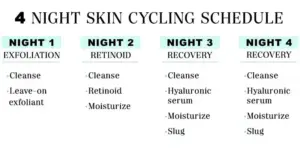
Image 3. Skin Cycling Routine
4. Encapsulation technology: The key for reactive skin. A cornerstone of personalized skincare in 2026 is the use of Encapsulation Technology. For instance, Liposomal Retinol provides a slow-release mechanism, preventing “concentration spikes” at the receptor level. This eliminates the traditional side effects of erythema and desquamation while preserving the full anti-aging efficacy.
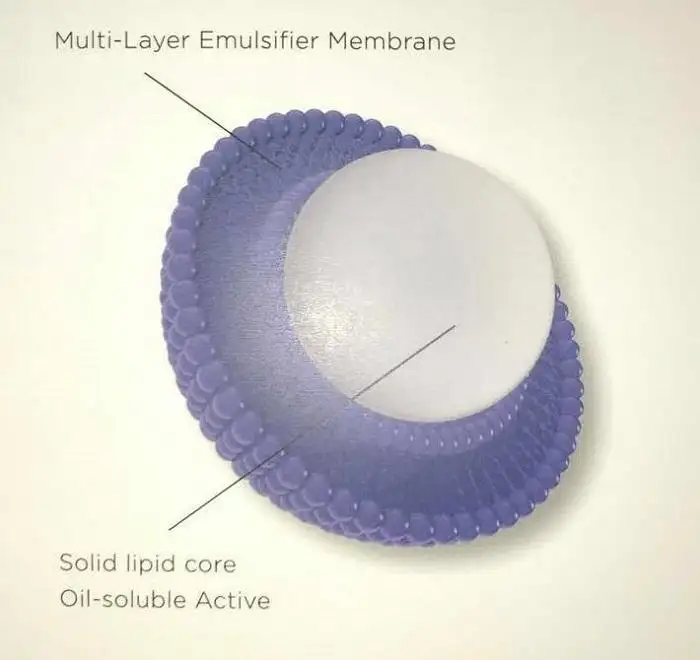
Image 4. Encapsulation
Personalizing a skincare regimen is not about stacking the highest number of expensive actives. It is a deep understanding of Asian skin physiology to select ingredients that function in harmony. A sophisticated routine prioritizes barrier stability as a prerequisite for any advanced aesthetic objective.
From: Cosmetics Department
Comments (0)
Newest