
The anatomy of recovery where molecular mechanisms quietly rebuild the skin’s protective barrier
In the modern cosmeceutical era, skin recovery is no longer perceived as merely applying a protective “mask” over the surface. Instead, it is a sophisticated intervention into epidermal homeostasis, directly influencing cellular signaling pathways to reconstruct the natural defense system from a molecular level.
The intercellular lipid matrix with a multilamellar structure emphasizes that the stratum corneum requires not only an adequate amount of lipids, but also a proper organization of these lipids into multilamellar sheets interspersed between corneocytes, thereby forming a strong and functional skin barrier.
- The Golden Molecular Ratio: Contemporary dermatological research confirms that a 3:1:1 ratio (Ceramides : Cholesterol : Free Fatty Acids) is the optimal configuration to stimulate barrier repair.
- The Binding Mechanism: Ceramides act as “molecular magnets,” binding water molecules and maintaining the integrity of the lamellar structure. A deficiency in Ceramides causes this architecture to become porous, creating “biological gaps” that facilitate Transepidermal Water Loss (TEWL) and allow exogenous irritants to penetrate the dermis.
Tight Junctions are the skin’s deep defense line, located beneath the stratum corneum in the stratum granulosum, where proteins such as Claudin-1 and Occludin work together to seal the gaps between epidermal cells, thereby maintaining the integrity of the skin barrier and preventing the penetration of harmful external agents.
Biological intervention through advanced high-tech active ingredients can enhance the expression of genes encoding key structural proteins, thereby preventing internal fluid leakage and forming a robust physical barrier that limits the penetration of external aggressors into the dermal layer.
Biological active ingredients are marking a shift from merely “supplying” nutrients to actively “reprogramming” cells, as they move beyond compensation to guide the skin’s biological mechanisms toward deeper repair and optimized function from within.
Ectoin and protein stabilization
Ectoin is an extremolyte molecule harvested from microorganisms thriving in high-stress environments.
- Mechanism (Chaperone-like effect): Ectoin does not engage in direct chemical reactions; rather, it forms “hydration shells” around proteins and cell membranes. This protects vital skin enzymes from denaturation caused by UV radiation and Reactive Oxygen Species (ROS), maintaining optimal cellular functionality.
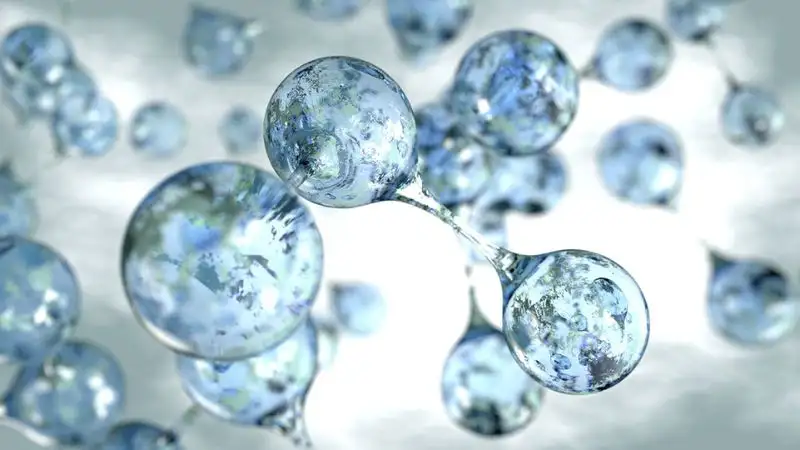
Image 1. Image illustrating Ectoin
Exosomes and PDRN – The pinnacle of deep regeneration
- Exosomes: These nano-sized extracellular vesicles carry growth factors and messenger RNA (mRNA). They act as “instructional codes” that direct damaged cells to initiate self-repair, significantly reducing downtime following invasive procedures such as lasers or chemical peels.
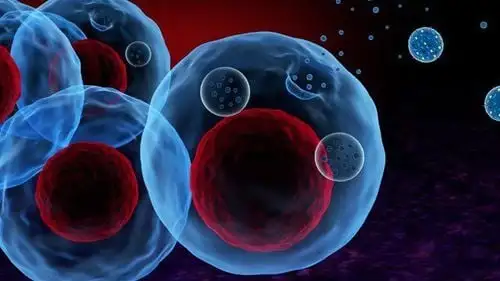
Image 2. Image illustrating Exosomes
- PDRN (Polydeoxyribonucleotide): Purified DNA fragments that stimulate Adenosine A2A receptors, promoting potent cell proliferation and anti-inflammatory action without the adverse effects associated with corticosteroids.
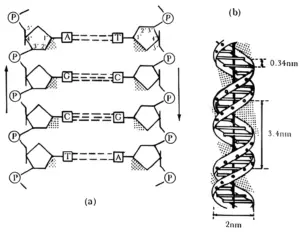
Image 3. Structure of PDRN
The skin microbiome plays a central role in regulating the innate immune system, as the skin barrier cannot be separated from epidermal immunity but instead exists in a symbiotic relationship in which beneficial microorganisms help train immune responses, maintain balance, and protect the skin against environmental aggressors.
- Endogenous Antimicrobial Peptides (AMPs): Healthy skin naturally synthesizes peptides such as Cathelicidins and Defensins.
- The role of Probiotics/Postbiotics: By delivering enzymes from fermented beneficial bacteria, we stimulate keratinocytes to increase the production of these AMPs. This ensures the skin recovers not only physically (the lipid shield) but also biologically (the ability to neutralize pathogenic bacteria).
An advanced skin recovery protocol should be grounded in scientific principles and structured into three distinct stages of pharmacological intervention, sequentially focusing on soothing and stabilizing the skin barrier, promoting cellular-level repair, and ultimately restructuring and reinforcing long-term skin function for sustainable results.
- Acute Anti-inflammatory phase: Priority is given to chemically purified Madecassoside and Ectoin to suppress pro-inflammatory cytokine signaling and soothe the microvasculature.
- Reconstruction phase: Supplementation with biomimetic lipid complexes and clinical-grade Niacinamide to trigger endogenous Ceramide synthesis.
- Maintenance phase: Utilization of Signal Peptides to maintain collagen density and the mechanical strength of Tight Junctions.
Skin recovery is not a temporary fix but a process of Biological Management. Understanding cellular signaling pathways and the lamellar lipid structure allows for the development of a scientific skincare protocol that ensures sustainable skin health from its core structure.
From: Cosmetics Dept
Comments (0)
Newest